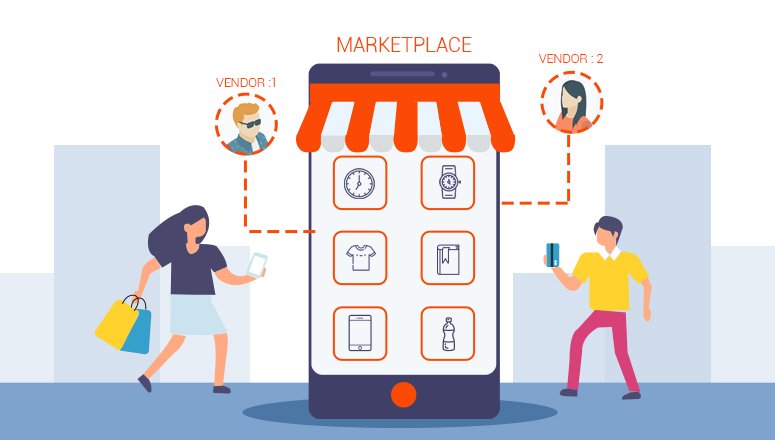
A multi vendor marketplace allows multiple sellers to sell products on a single platform. Popular examples include Amazon, eBay, and Etsy.
This model helps businesses scale faster by allowing vendors to manage their own stores while the platform earns commission.
## Benefits of Multi Vendor Marketplaces
- Large product variety
- Multiple sellers on one platform
- Passive commission-based revenue
- Scalability for online businesses
## Key Features
### Vendor Dashboard
Vendors can manage products, orders, and sales performance.
### Product Management
Allows vendors to add, edit, and manage products easily.
### Order Management
Tracks orders, payments, and delivery status.
### Commission System
Platform owners earn commissions on each sale.
### Review and Rating System
Customers can review products and vendors.
## Technology Stack
A scalable marketplace can be built using:
Frontend: Vue.js / React / Flutter
Backend: Laravel / Django / Node.js
Database: MySQL / PostgreSQL
## Development Process
1. Marketplace planning
2. Platform architecture design
3. Vendor management system
4. Payment integration
5. Security implementation
6. Testing and deployment
## Estimated Cost
| Platform Level | Cost |
|---------------|------|
Basic Marketplace | $8,000 – $15,000 |
Advanced Marketplace | $15,000 – $40,000 |
Enterprise Platform | $40,000+ |
## Conclusion
Multi vendor marketplaces are powerful business models in modern eCommerce. By allowing multiple sellers to join a single platform, businesses can scale faster and create sustainable online ecosystems.